
The Complete Guide to Buying Used Pipe Threaders: What to Check Before You Buy
Expanding your mechanical tool inventory or upgrading your mechanical workshop with heavy-duty plumbing machinery is a significant milestone that directly impacts your team's structural accuracy, job speed, and overall project capacity. For commercial plumbers, fire sprinkler installers, and industrial pipefitters, a dependable threading machine is the absolute backbone of daily operations. It allows your crew to cut clean, watertight connections into thick steel pipes for hours on end. However, purchasing a brand-new, top-tier threading machine directly from a factory distributor demands a massive amount of up-front business capital. To protect their cash flow, many smart business owners opt to browse the secondary machinery market to score high-end equipment at a fraction of retail pricing.
While finding a great deal can give your company a major competitive edge, purchasing complex secondary machinery introduces clear operational risks. Heavy-duty construction machinery is built to survive grueling job site environments, but years of poor maintenance or operator abuse can leave a machine structurally compromised. Understanding the modern preferences of construction professionals can shed light on what buyers prioritize when evaluating active job site equipment. According to Gitnux (2026), 68% of power tool users prefer lithium-ion batteries over NiCd batteries in 2023 surveys. This strong preference for modern efficiency highlights the importance of choosing updated, high-performance equipment over outdated machinery. Investing in premium used pipe threaders allows you to preserve your development budget while keeping your field operations highly efficient. Navigating the secondary machinery market with a clear inspection plan ensures your new purchase performs flawlessly from day one. Evaluating potential used pipe threaders requires a thorough five-step check of all internal and external components.
Inspecting the Main Electric Motor
The first and most critical component you must evaluate when looking at used pipe threaders is the physical health and sound of the main drive motor. The motor is the heavy-duty engine of the entire machine, responsible for turning heavy steel pipe sections against sharp cutting dies under immense structural pressure. If the motor is burning out or has damaged internal wiring, the machine will frequently stall, overheat, or fail under standard loads.
When inspecting used pipe threaders, always flip the power switch on and listen closely to the motor's operational pitch. The unit should immediately hum with a smooth, consistent rhythm, free of loud screeching noises, grinding sounds, or sudden sparks near the carbon brushes. Check the casing for signs of extreme heat discoloration or a strong, burnt electrical odor, which indicates severe internal stress. Securing a machine with a vibrant, healthy motor ensures your crew can thread thick pipe diameters smoothly without unexpected electrical breaks on the job site.
Checking the Internal Oil Pump
Heavy-duty industrial threading generates an incredible amount of friction heat as the cutting dies bite into thick steel pipe walls. To prevent the cutting from dulling instantly or warping the pipe threads, an integrated mechanical oil pump must continuously flood the workspace with cool, clean thread-cutting oil. If the internal pump is clogged or mechanically broken, your cutting tools will wear out rapidly and ruin your connections.
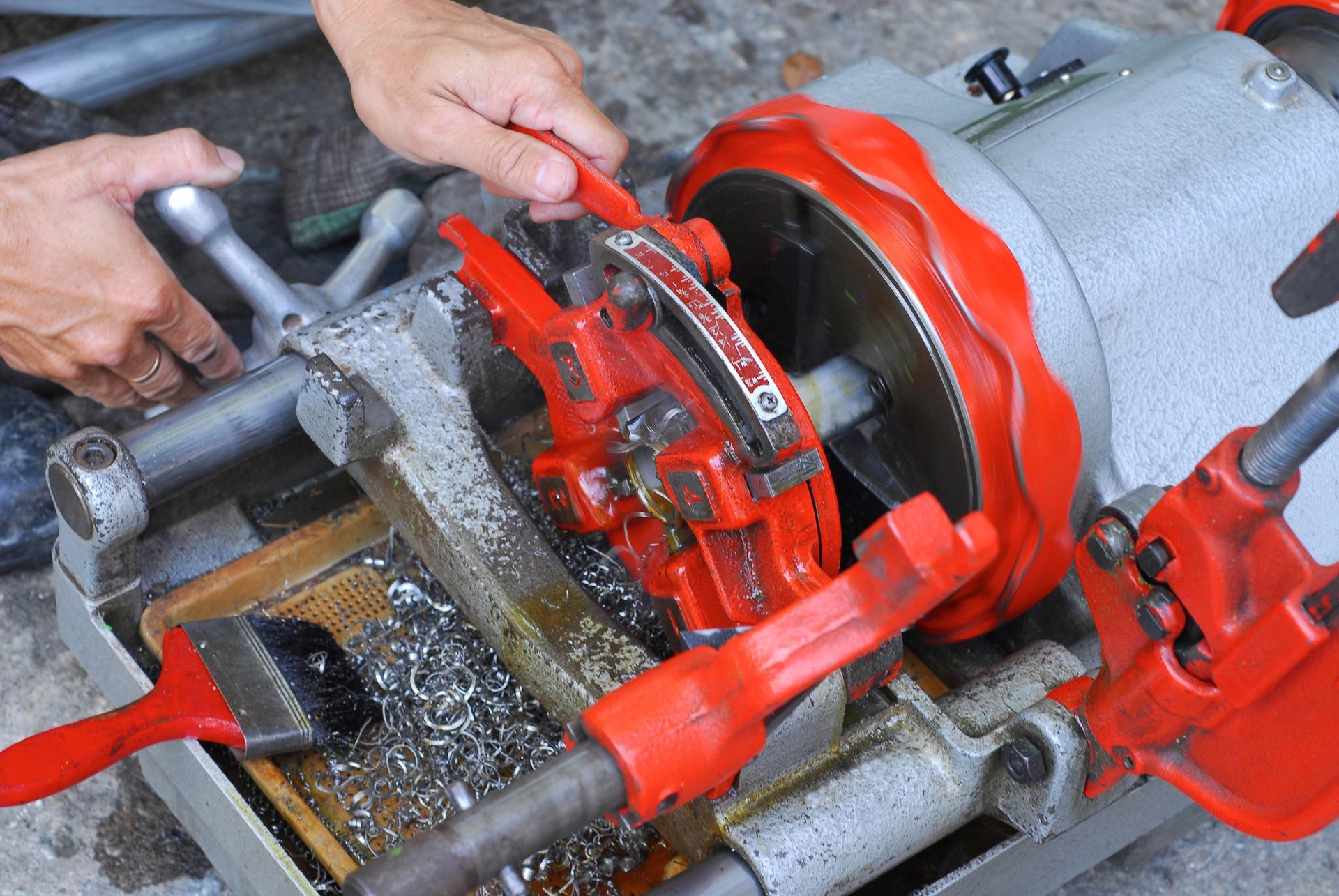
Take the time to examine the oil reservoir and pump system of any pipe threaders. Turn on the machine and ensure that oil pumps out instantly and heavily across the die head assembly. Look closely at the condition of the oil itself; if the fluid is filled with thick metal filings or looks like sludge, the machine was likely neglected by its previous owner. Verifying a strong, active oil delivery system inside used pipe threaders protects your replacement cutting from early wear, keeping your operational costs low.
Testing the Die Head Teeth
The actual precision cutting work of the machine happens entirely within the die head assembly, which locks the sharp cutting teeth firmly into place. If the die head frame is cracked, stripped, or warped due to past operator abuse, it will hold the teeth at an incorrect angle. This misalignment results in crooked, shallow, or stripped pipe threads that will fail building inspections and leak under pressure.
Always open up the die head when evaluating used pipe threaders to inspect the structural condition of the individual teeth. Run your fingers along the cutting edges to check for broken teeth, dull ridges, or heavy rust accumulations. While buying replacement dies for old pipe threaders is a normal part of tool maintenance, a completely warped or cracked die head frame can be very expensive to replace. Choosing a machine with a clean, fully adjustable die head frame guarantees your pipe connections screw together perfectly every time.
Evaluating the Front Chuck Grips
To thread a heavy piece of steel conduit safely, the machine's front and rear chuck jaws must grip the spinning pipe with absolute, unyielding pressure. Over years of non-stop use on busy job sites, the hardened steel teeth inside these chuck jaws can slowly wear down or get packed with metal debris. Worn-out chuck grips will allow the pipe to slip continuously during operation, which gouges the outer metal wall and presents a serious safety hazard to the operator.
Make sure to insert a standard length of steel pipe into the chuck of any pipe threaders you are testing. Tighten down the hand wheel completely and check how firmly the internal jaws bite into the metal surface. If the pipe wobbles or slips when the motor spins up, the jaw inserts are likely worn smooth and need immediate replacement. Ensuring the chuck grips lock down firmly on used pipe threaders keeps your workspace perfectly safe and stops pipes from spinning loose during heavy cuts.
Sustaining a safe, efficient, and highly profitable tool inventory over the long haul requires a steady combination of smart machinery selection, deep gear lubrication, and disciplined seasonal maintenance. Your heavy-duty threading equipment functions as the vital foundation for your entire mechanical operation and your primary tool for hitting demanding job timelines, meaning that attempting to shortcut your search with unverified online listings or ignoring worn components will only lead to disappointing performance and expensive workshop delays down the road.
Stepping away from passive tool purchasing habits and investing your energy into a proactive, well-managed inspection plan is the absolute best way to insulate your business ledger from unexpected equipment breakdowns. By aligning your workshop expansion goals with a disciplined equipment verification strategy, you successfully protect your short-term tool capital and safeguard your long-term operational equity.
When you take the time to prioritize clean motor sounds, active oil pump flushes, and smooth carriage tracking rails for your shop, you unlock higher daily convenience, eliminate job site safety hazards, and gain total confidence in your equipment's performance. Purchasing high-quality used pipe threaders transforms an expensive industrial investment back into a highly accessible, profitable asset that easily handles demanding pipe schedules without breaking a sweat.
If you notice your current workshop tools are struggling to cut clean threads, see heavy smoking coming from your aging die heads, or realize your business needs to expand its pipe fitting capacity for an upcoming commercial build, do not wait for a complete project delay to take action. Explore The Tool Store online for premier
used pipe threaders today to protect your cash flow, watch your productivity thrive, and ensure your mechanical enterprise remains strong, competitive, and successful through every season to come.







Share On: