
Manual or Power Pipe Threaders? Which Is Right for Your Jobs
Threading pipe is one of those tasks that seems simple until you're standing in a basement or on a job site with a stack of pipe waiting to be cut and threaded. The right tool can make the work fast, clean, and accurate, while the wrong one can slow you down and leave you with poor threads that leak or don't seat properly. One of the biggest decisions you'll face is whether a manual threader or a powered option makes more sense for the work you do. Below, we'll compare manual and power pipe threaders and help you decide which RIDGID pipe threader setup is right for your jobs.
Understanding How Pipe Threaders Work
All pipe threaders work on the same basic principle. A die head fitted with cutting dies is rotated around the end of the pipe, cutting tapered threads that allow fittings to screw on and create a tight seal. The difference between manual and power tools comes down to how that rotation happens. With a manual threader, you turn the die head yourself using a ratcheting handle. With a power drive or threading machine, a motor does the turning for you. Both approaches can produce quality threads when the dies are sharp, the pipe is properly secured, and plenty of cutting oil is used. Understanding these basics makes it easier to compare your options.
Considering Manual Threaders
Manual ratchet threaders are compact, affordable, and simple to use. They're a common choice for occasional threading, small repair jobs, and tight spaces where a larger machine won't fit. Many people taking on projects around their own properties start with manual tools. According to RubyHome, 75% of homeowners attempt some sort of DIY project, and some of those projects involve plumbing or pipe work. Manual threaders are typically used on smaller pipe sizes, often up to around 2 inches. Keep in mind that threading by hand takes physical effort, and work involving gas lines should always be handled by a licensed professional. For light, infrequent work, a manual RIDGID pipe threader can be a practical, budget-friendly option.
Looking at Handheld Power Drives
Handheld power drives offer a middle ground between manual threaders and full threading machines. These tools use a motor to spin the die head, which takes much of the physical strain out of the job and speeds up the threading process. Because they're portable, power drives can be carried to the work area and used on pipe that's already installed or held in a vise. They're popular with plumbers, maintenance teams, and contractors who thread pipe regularly but still need flexibility on the job. Many power drives work with the same die heads used on manual threaders, which can make upgrading more affordable. A support arm is often used to help the operator control torque safely.
Stepping Up to Threading Machines
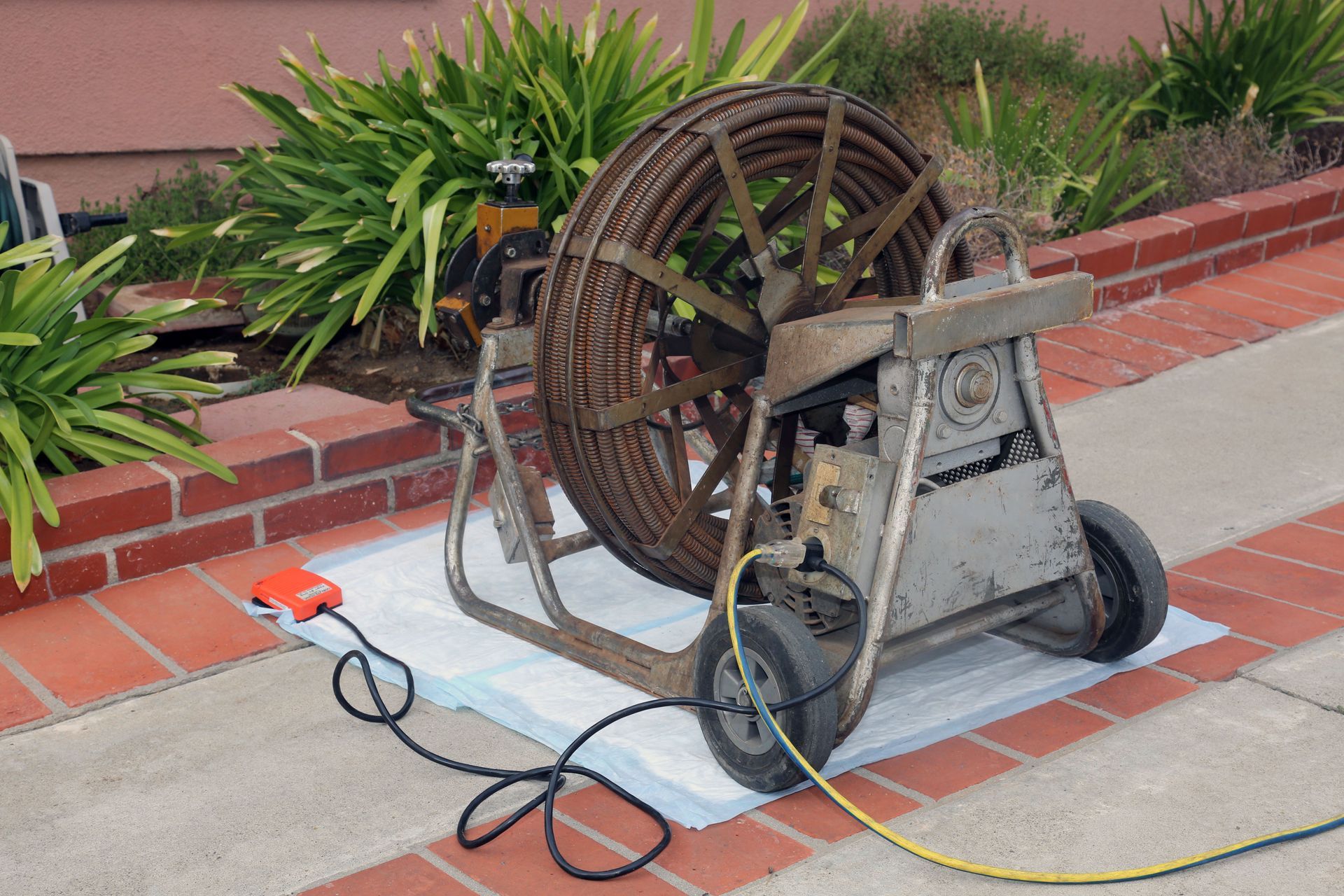
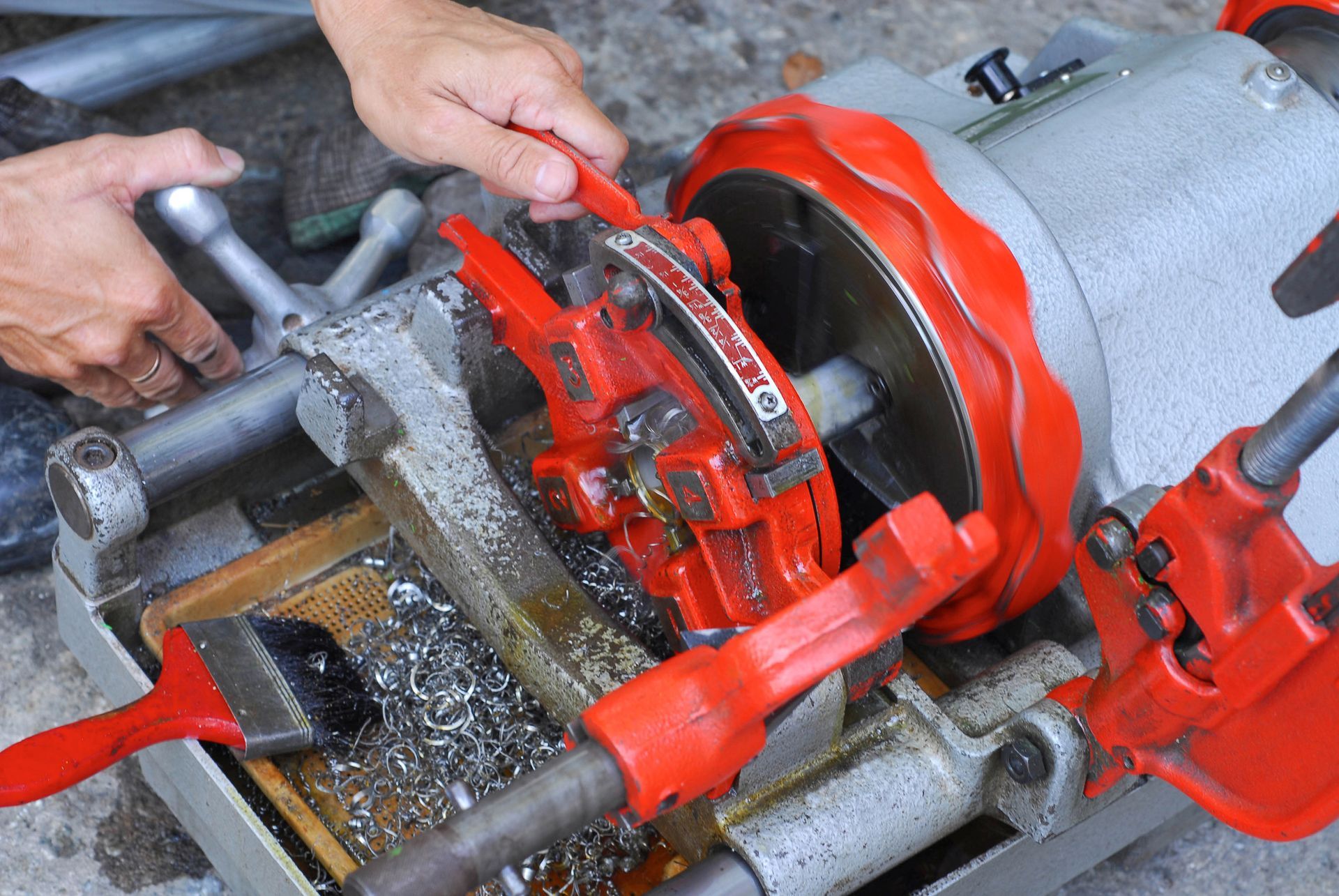
For high-volume work or larger pipe, a threading machine is often the best choice. These machines hold the pipe and rotate it while the die head cuts the threads, delivering consistent results with less operator fatigue. Many models also include a built-in cutter, reamer, and oil system, allowing you to cut, ream, and thread pipe in one setup. That efficiency can make a major difference on commercial and industrial projects where dozens or hundreds of joints are needed. Threading machines are larger and heavier, so they're best suited for shops or job sites with room to set them up. For contractors who thread pipe every day, a machine-based RIDGID pipe threader can save significant time.
Comparing Job Volume
How often you thread pipe is one of the most important factors in choosing the right tool. If you only need a few threads now and then, a manual threader may be all you need. If you're threading pipe several times a week, the time and effort saved with a power drive can quickly add up. For crews handling large installations, a threading machine helps keep projects moving and reduces strain on workers. Thinking realistically about your workload helps you avoid buying more tool than you need or struggling with one that's too limited. It also helps you plan for future growth if your business is expanding.
Factoring In Pipe Size and Material
The size and type of pipe you work with also play a role in your decision. Smaller diameters are manageable with manual threaders, but larger pipe requires much more force to thread by hand. Power drives and threading machines handle that added resistance more easily and produce more consistent threads on bigger pipe. Different materials, such as black iron, galvanized steel, and stainless steel, may also require specific dies for the best results. Using the right dies and keeping them sharp helps prevent damaged threads and leaks. Before choosing a RIDGID pipe threader, it's helpful to review the range of pipe sizes and materials you work with most often.
Thinking About Portability
Where you work matters just as much as what you're threading. Manual threaders and handheld power drives are easy to carry up stairs, into crawl spaces, and through tight mechanical rooms. Threading machines offer more power and consistency but require more space, a stable surface, and access to electricity. Some contractors keep a machine in the shop or on a truck while using a power drive or manual threader for on-site adjustments. Having more than one option can give you flexibility on different types of jobs. Consider the spaces you typically work in before deciding which setup fits best.
Weighing Your Budget
Cost is always part of the equation when buying professional tools. Manual threaders are the most affordable option, while power drives and threading machines require a larger investment. Buying quality used or reconditioned equipment can be a smart way to get professional-grade tools at a lower price. For short-term projects, renting a threading machine may make more sense than buying one outright. Looking at the total value, including durability, productivity, and the cost of downtime, helps you make a better decision. Our selection of new, used, and reconditioned tools makes it easier to find a RIDGID pipe threader that fits your budget.
Keeping Your Equipment in Top Shape
No matter which type of threader you choose, regular maintenance keeps it working well. Dull or chipped dies can produce rough, inaccurate threads, so they should be inspected often and replaced when needed. Using the right cutting oil helps reduce heat and friction, extending the life of both dies and equipment. Power drives and threading machines also need occasional attention to motors, switches, gears, and oil systems. When problems come up, professional repair can get your tools back to work quickly and help you avoid replacing equipment that can still be restored. Taking care of your RIDGID pipe threader helps protect your investment for years to come.
At The Tool Store, we've been serving professionals throughout Mineola, Brooklyn, and the Tri-State Area since 1979. We carry new, used, and reconditioned power, air, hydraulic, lifting, and hoisting tools from trusted brands like RIDGID, Milwaukee, DeWalt, Hilti, Greenlee, and Enerpac, often at up to 50% off retail prices. We also offer commercial and industrial tool repair with quick turnaround, equipment rentals for short-term projects, special orders, and a 60-day product warranty. Contact The Tool Store today to find the right threading equipment for your next job.







Share On: