
How to Choose the Right Die Head for Your Pipe Threader
Understanding the importance of selecting the correct die head for your pipe threader is crucial for both efficiency and quality of work. In this article, we will explore the factors you need to consider when choosing the right die head and how it can impact your threading process. We will delve into the fundamentals of pipe threading, examine different types of die heads, and consider key factors that should influence your decision. Moreover, we will analyze the impact of die head selection on thread quality and discuss practical tips for maintenance and care. Finally, we shall explore emerging trends in pipe threading technology that may affect future decisions.
Pipe Threading Basics
What Is Pipe Threading?
Pipe threading is a process that involves forming threads on the end of a pipe, enabling it to connect with other threaded components. This is essential for creating leak-proof connections in plumbing, gas fittings, and various industrial applications. The threading process is critical for ensuring the integrity and safety of the pipe connections. Proper threading facilitates easy assembly and disassembly, which is vital for repairs and maintenance. The quality of threading can significantly affect the performance and reliability of the overall piping system.
Types of Threads
Threads come in various types, primarily distinguished as tapered and straight threads. Tapered threads ensure a tight seal through wedges, while straight threads typically require a gasket or O-ring for a secure connection. The choice between these thread types depends on the application and desired performance characteristics. Different industries may follow specific standards, such as NPT (National Pipe Thread) in the United States, for various applications. Understanding these distinctions is crucial in selecting the right tools and die heads for your pipe threading needs.
The Role of the Die Head
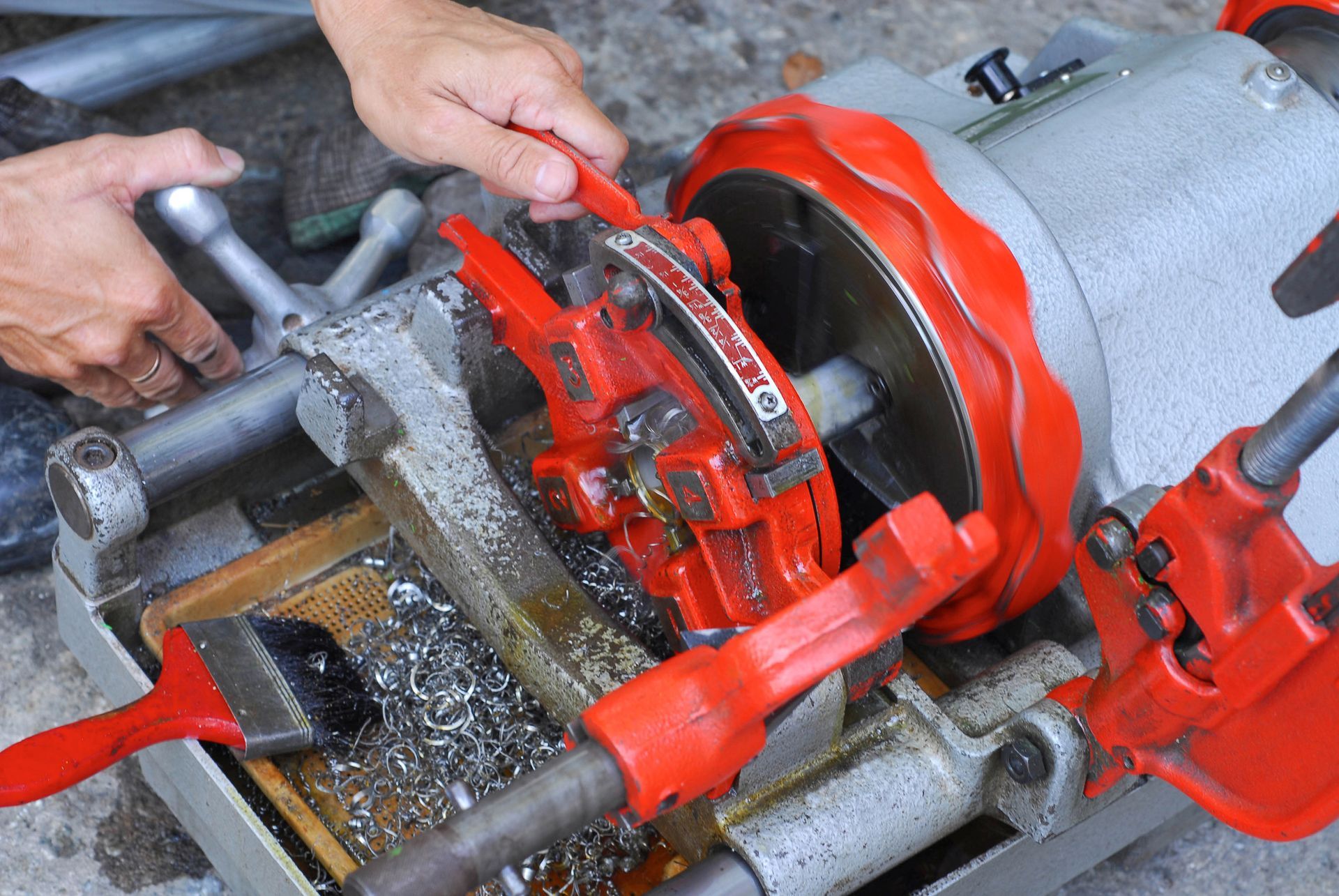
The die head is a critical component in the threading process, holding and guiding the cutting dies that form the threads on the pipe. It ensures the correct alignment and pressure needed for precision threading, which impacts the quality and durability of the connection. Choosing the right die head can mean the difference between efficient operations and time-consuming, costly errors. Different die heads may be required based on the type and size of the pipe being threaded, and a used pipe threader remains a solid option. Correct die head selection is essential for achieving consistent and reliable results.
Importance of Precision in Threading
Precision in threading is crucial because it affects the performance, safety, and longevity of the piping system. Accurate threads ensure a proper seal, preventing leaks that could lead to substantial damage and safety hazards. According to Market.US, the global hand tools market is projected to reach about $34.3 billion by 2034, so it's essential to find the correct option in such an expansive market. Poorly threaded connections can result in mechanical failures and require costly repairs or replacements. Precise threading also facilitates easy installation and maintenance, which is essential for time-sensitive projects. Achieving precision requires the right tools, including an appropriately chosen die head for the pipe threader.
Different Types of Die Heads
Manual vs. Automatic Die Heads
Manual die heads require the user to engage the threading process by hand, which can offer more control and precision for certain projects. These are often used for smaller-scale or more detailed work where precision is paramount. Automatic die heads, on the other hand, are designed to speed up the process by automating the cutting of threads, making them ideal for large-scale operations. Choosing between manual and automatic depends on the specifics of your project and the balance between speed and control. Additionally, automatic die heads often require a higher upfront investment but can offer significant efficiency gains.
Adjustable vs. Non-Adjustable Die Heads
Adjustable die heads are versatile tools allowing users to change die settings for different thread sizes and types, offering flexibility for various projects. These are particularly useful for professionals who work with a wide range of threading specifications. Non-adjustable die heads, while less flexible, tend to offer more durability and are easier to set up, often preferred for high-volume tasks with consistent threading requirements. The choice between adjustable and non-adjustable depends on the diversity of tasks and the importance of tool longevity. In environments with high variability in threading tasks, adjustable die heads can provide significant cost savings and efficiency.
Specific Use Die Heads
Specific use die heads are designed for unique applications, such as threading pipes made from unconventional materials or requiring specialized thread designs. These die heads are crucial for projects with stringent standards, where general-purpose tooling is insufficient. Selecting a specific use die head usually involves working closely with manufacturers to ensure compatibility with the particular requirements of the project. These die heads might carry a higher cost but are invaluable in achieving the necessary precision and performance. Using specific use die heads ensures compliance with industry standards and improves the safety and reliability of the final product.
Materials Used in Die Head Construction
Die heads are constructed from a variety of materials, with the most common being steel and high-speed steel due to their durability and cutting efficiency. Some advanced die heads may include carbide tips for extended life and superior performance, especially when threading hard materials. The choice of material impacts the lifespan, cost, and maintenance requirements of the die head. Steel offers good balance and affordability, while carbide ensures precision in challenging applications. Material selection should consider the specific needs of the task and the frequency of use to ensure the best value and performance.
Factors to Consider When Choosing a Die Head
Pipe Material and Size
The size and material of pipes play a significant role in selecting a die head, as different materials require different cutting techniques. Larger pipes may demand more robust die heads capable of handling increased torque and pressure during threading. Lightweight materials like PVC need precision rather than brute strength to avoid damage during the threading process. Selecting the right die head ensures that threading is accomplished efficiently, preventing unnecessary wear on the tool and damage to the pipe. Proper consideration of pipe size and material can also extend the life of the die head and reduce operational costs.
Thread Standards and Specifications
Adhering to industry thread standards and specifications is crucial for achieving compatibility and safety in pipe connections. Each industry may have different standards, such as NPT, BSP, or ISO, depending on regional and functional requirements. Selecting a die head that matches these specifications is essential for ensuring that threaded connections are secure and leak-proof. Ignoring these specifications can lead to improper installations and compromised structural integrity. By considering thread standards, you can ensure that the threading process complies with industry regulations and meets performance expectations.
Volume of Work and Frequency of Use
The volume of work and frequency of use are critical considerations when choosing between different die heads. High-volume operations benefit from automatic die heads due to their efficiency and speed, minimizing downtime and labor costs. For less frequent use, a manual die head may suffice, offering a balance between cost and functionality without compromising on quality. Understanding your workload helps in selecting a die head that not only meets current needs but is adaptable to future demands. Regular, high-intensity use may also necessitate additional maintenance considerations to ensure die head longevity.
Budget Considerations
Budget is always a significant factor in determining which die head to invest in, influencing the choice between manual, automatic, adjustable, and specialized options. While upfront costs may be high for certain high-performance die heads, their efficiency can result in lower long-term operational costs. A used pipe threader is a viable and affordable option. Balancing initial investment with long-term savings is key in ensuring financial resources are used effectively. Cheaper die heads might lead to increased replacement and repair costs if they do not meet operational needs. Investing in a reliable die head can lead to substantial savings through enhanced performance and reduced downtime.
Choosing the right die head for your pipe threader is a critical decision that affects the quality, efficiency, and cost-effectiveness of your pipe threading tasks. Our staff at The Tool Store is ready to provide you with the right option for your needs, including a
used pipe threader. Contact us today to learn more!







Share On: